The Authenticity Problem With AI Content for Wellness Brands
Wellness AI content has a specific failure mode — it sounds like a category, not a person. Here is what actually fixes it.

Wellness AI content has a specific failure mode — it sounds like a category, not a person. Here is what actually fixes it.
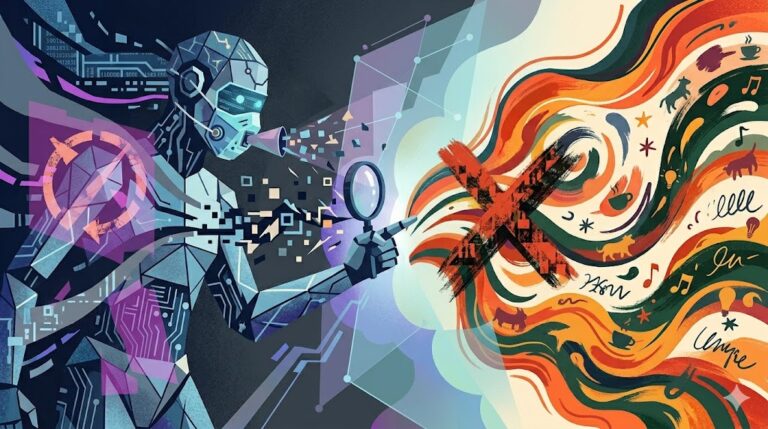
The fear of being caught using AI for content is real. But what people are detecting isn’t AI use. It’s generic output. The distinction matters.
Wellness businesses live on personal connection. Here is how to use AI for content without losing the touch that makes clients choose you.
Generic AI content breaks the recognition moment that turns a reader into a client. Here is what that gap costs and how to close it.
There is a recognizable pattern to AI-generated content and most people can spot it now. The pattern is real. But it comes from a specific cause, and the cause is fixable.
For coaches, the brand and the person are the same thing. Here is how to make sure your AI content reflects that.
The authenticity concern about AI content is legitimate. But the problem isn’t AI — it’s the gap between what most people give AI to work with and what it actually needs to produce something worth publishing under your name.
Real destination guides have a point of view. AI produces templates. Here is what makes the difference and how to close the gap.
The most common objection I hear comes in three forms: it’s not authentic, it sounds like AI, everyone will know. All three are true of untrained AI content. None of them are inherent limitations of the technology.
I was impressed by how fast AI could draft content from my bullet points. Then I noticed I was spending as much time editing as I would have spent writing. Here is what I did about it, and what I learned about my own writing in the process.